Venues
Ouro Preto Opera House
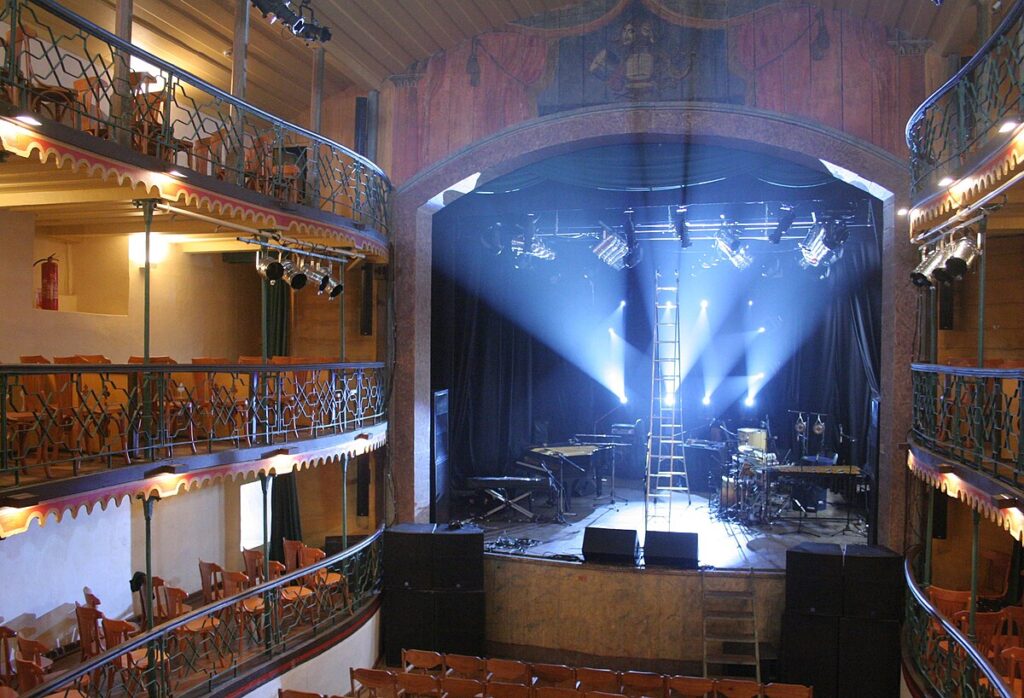
The Vila Rica Opera House (Ouro Preto Municipal Theatre), built in 1769 and opened in 1770, is the oldest theatre still operating in the Americas. During the Baroque era, theatre was central to daily life in Minas Gerais, with Vila Rica standing out due to its diverse cast and the introduction of female performers. João de Souza Lisboa, one of its founders, expanded its repertoire over eight years, presenting operas, oratorios, and works by the Brazilian poet and prominent conspirator figure Cláudio Manoel da Costa, as well as plays like Molière’s The School for Husbands. By 1811, the venue hosted a large company staging numerous productions. The building features a stone facade, three floors with various seating areas for 300 people, and original elements like spiral wood stairs and stone staircases, with later additions minimally altering the structure.
Enjoy this unique space while attending the 2026 ASC Conference!
Museu da Inconfidência
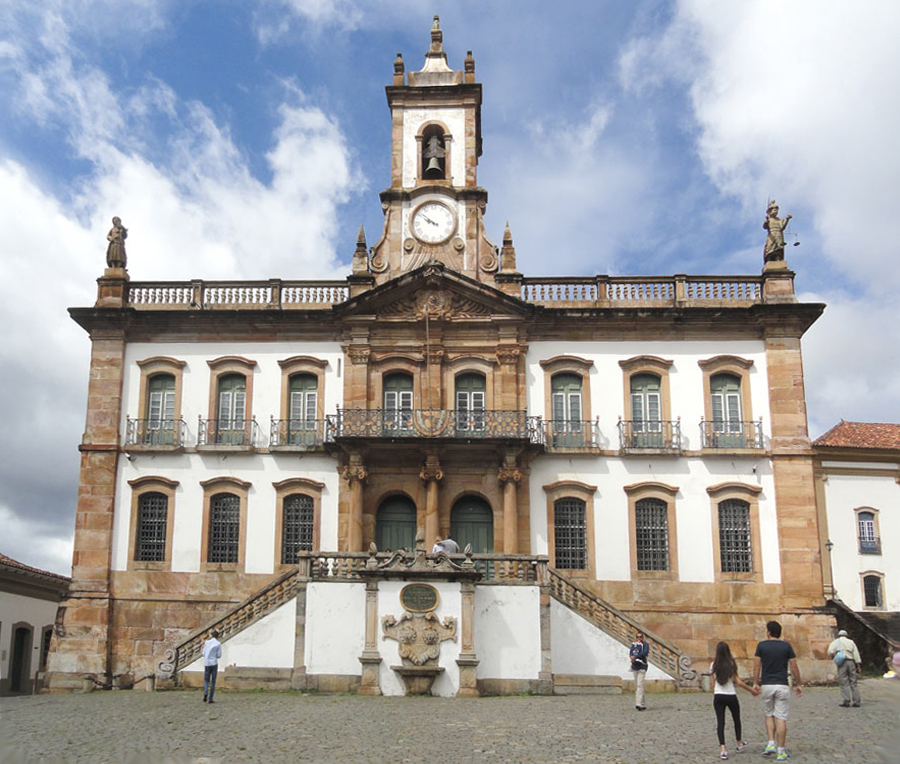
In the heart of Tiradentes Square, the imposing building of the Inconfidência Museum draws attention. Built between 1785 and 1855, it served as the town hall and jail, and became a museum in 1944. In the 1930s, the mortal remains of the Inconfidentes extradited to Africa were brought back to Brazil and installed in the Pantheon of the Inconfidentes, an imposing and respectful hall in the building. The Museum’s permanent exhibition explores Ouro Preto’s history from the 18th and 19th centuries, including mining, transportation, art, and religion.
The museum includes three annexes, one of which will host some of the 2026 ASC Conference activities. It is located on the right side of the Museum, has an auditorium, a front patio, and hosts temporary exhibitions.
Tomás Gonzaga House
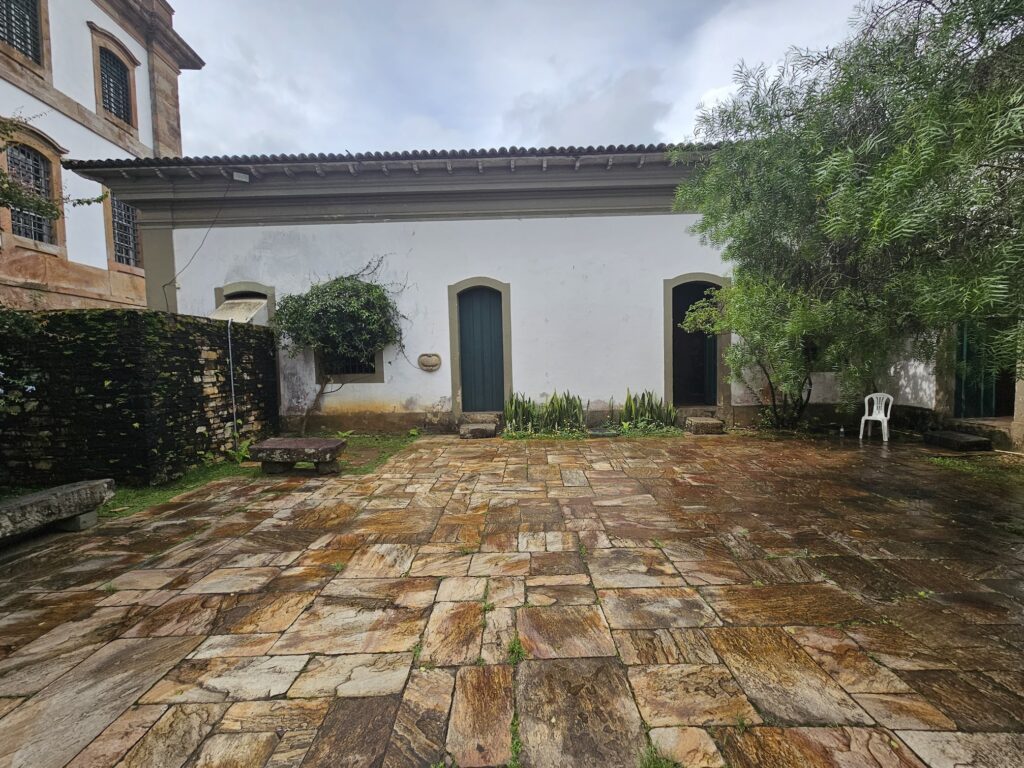
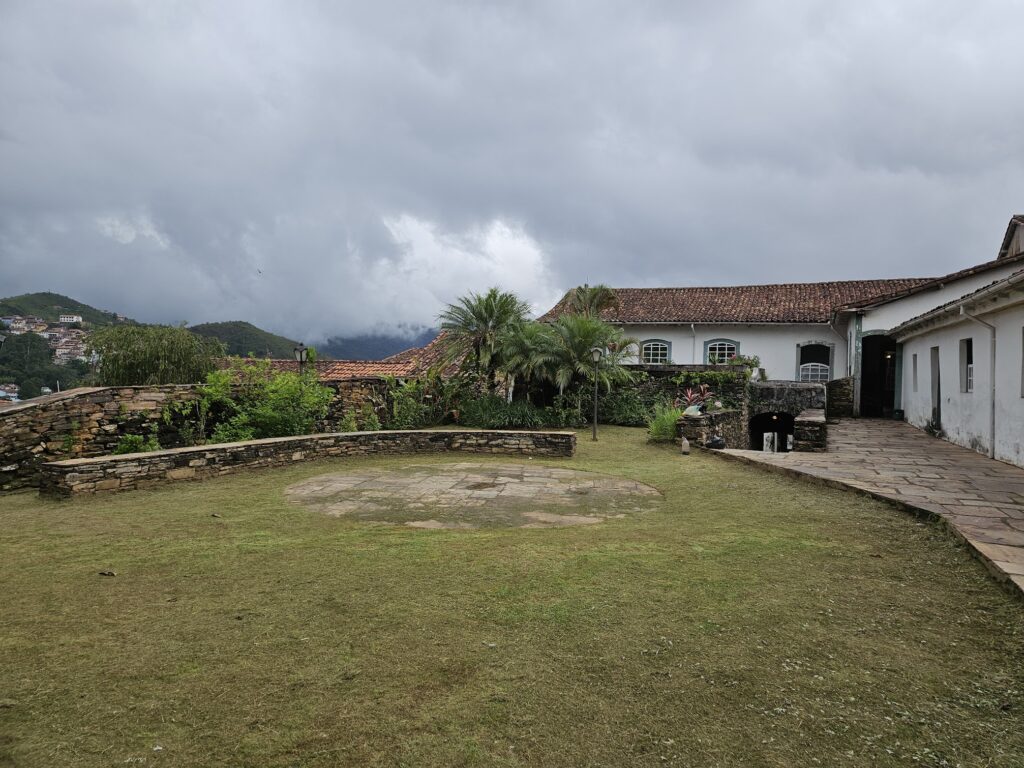
The Casa de Gonzaga, closely associated with the Minas Gerais Conspiracy through Tomás Antônio de Gonzaga, is a significant tourist site for understanding 18th-century Vila Rica. Built in colonial style and initially a residence, it later served as a meeting place for conspirators planning Minas Gerais’ separation from Portugal and the creation of a Republic. After Gonzaga’s arrest in 1789, the house became a court, then a police station, and later housed various federal offices. In the 20th century, it was used by the Ouro Preto Historical Institute and as an educational and health facility. Transferred to the Municipality of Ouro Preto in 1974, Casa de Gonzaga now serves as a public space featuring memorials, gardens, and municipal tourism offices, valued for its historical and architectural significance.
About Tomás Antônio Gonzaga
Tomás Antônio Gonzaga, a poet and magistrate, lived in the house for several years during the colonial period of Brazil. He was the author of one of the best-known love stories of Minas Gerais, from the Arcadian movement of Brazilian Literature, when, using the pseudonym Dirceu, he wrote beautiful and famous poems for his muse Marília, in the work: Marília de Dirceu.

The Philosophy, Arts, and Culture Institute of the Federal University of Ouro Preto
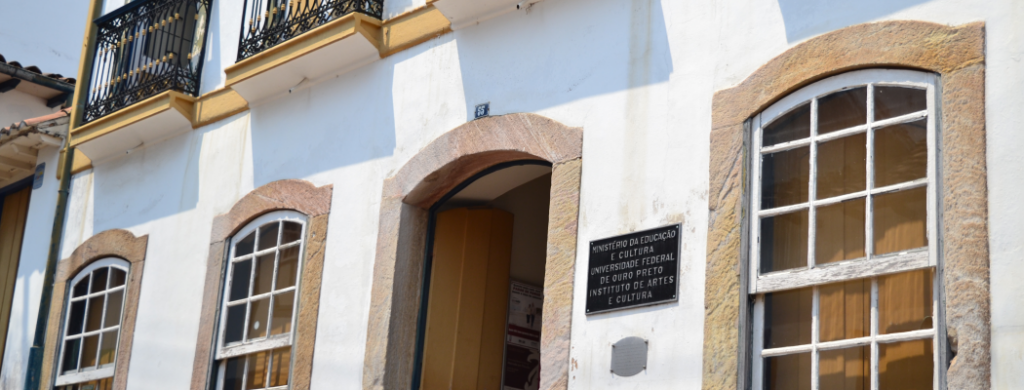
The Institute of Philosophy, Arts and Culture (IFAC) was founded on November 30, 1981, as the Institute of Arts and Culture (IAC), initially focused on preserving the city’s artistic, historical, and cultural heritage. In 1985, a graduate specialization course in Baroque Culture and Art was established, fostering reflection on the Baroque and its cultural and artistic manifestations in dialogue with the contemporary context. This unique program in Latin America became a reference in the field. The expansion of the Institute followed suíte, with the creation of the undergraduate course in Philosophy with an emphasis on Culture. From 1994 onwards, the IAC was renamed the Institute of Philosophy, Arts and Culture (IFAC), becoming a new higher education unit at the Federal University of Ouro Preto (UFOP). As an offshoot of free courses in Theater and Music, initiated in 1993 at the IAC, undergraduate courses in Performing Arts and Music were created. IAC/UFOP progressively expanded its undergraduate and graduate programs, including Master’s and doctoral programs, attracting students from various regions of Brazil.
The Philosophy courses remain at the historical headquarters, located in the center of Ouro Preto, to where you will be invited to various track conversations of the ASC 2026 Conference. The Music and Performing Arts courses were transferred in 2007 to a different space.